
- Home
- Steel Structure
Steel Structure

WHAT IS CALLED STEEL STRUCTURE ?
A steel structure refers to a load-bearing structural system that primarily adopts steel profiles (such as H-beams, I-beams, angle steels, channel steels, steel plates, steel pipes, round bars, etc.) as its core stress components. These members are connected and formed into an integral structure through reliable connection methods including high-strength bolt connection, welding, and ordinary bolt connection, which together bear the vertical loads (dead weight, live load, snow load, etc.) and horizontal loads (wind load, seismic action, crane braking force, etc.) of buildings or engineering facilities.
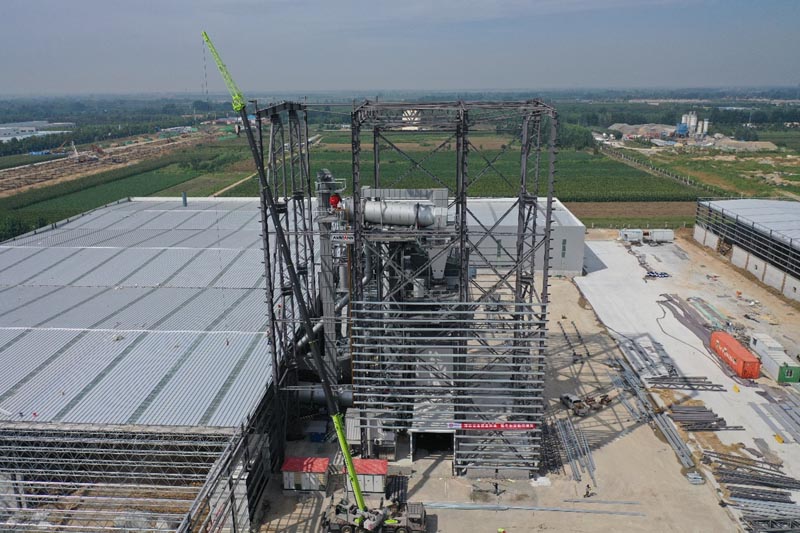
As one of the most important structural forms in modern engineering construction, steel structures are widely used in various industrial, civil, and public buildings, as well as large-scale infrastructure projects. They are characterized by industrialized production, standardized design, prefabricated manufacturing, and on-site assembly, forming a complete engineering system integrating design, processing, transportation, and installation.
STEEL STRUCTURE BUILDING KEY FEATURE
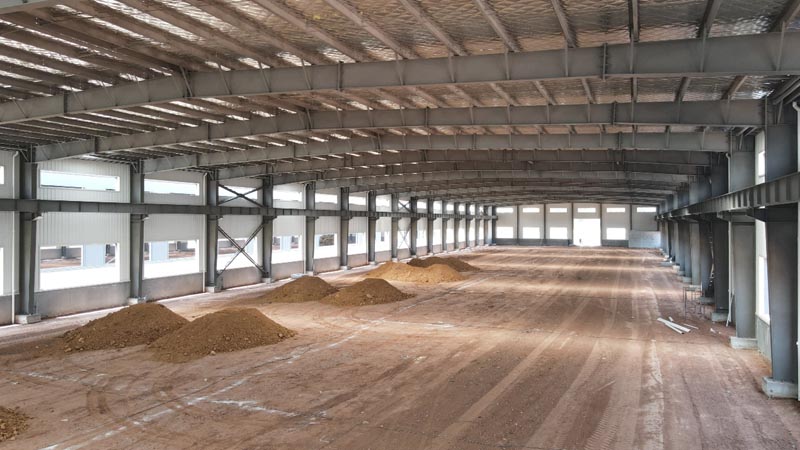
Clear-span interior with no internal columns, maximizing usable work space
High strength and durability — windproof, snow-resistant, fire-retardant, and long-lasting
Customizable size, height, and layout to fit machinery, storage, and workflow
Fast construction using prefabricated steel components
Low maintenance compared to wood or concrete buildings
Can include offices, storage areas, mezzanines, and large doors for equipment access
STEEL STRUCTURE CONSTRUCTION TYPES
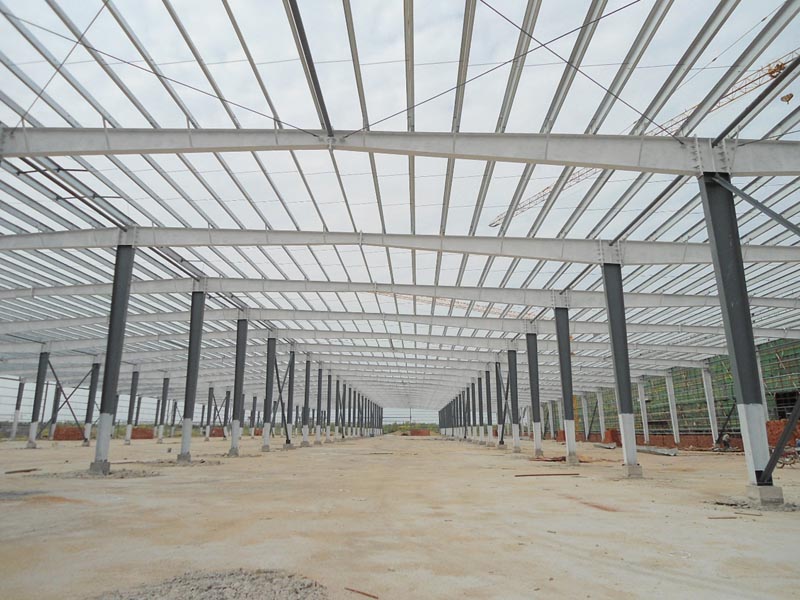
1. Portal Frame Steel Structure
- Mainly used in single-storey workshops, warehouses, farms, and exhibition halls.
- Simple structure, low cost, fast construction, and suitable for large-span buildings.
2. Multi-storey & High-rise Steel Frame Structure
- Beam-column frame as the main load-bearing system.
- Used in office buildings, hotels, apartments, and multi-storey factories.
- Flexible layout, strong seismic performance, and quick assembly.
3. Steel Truss Structure
- Triangular truss system for large-span roofs.
- Applied in stadiums, waiting halls, aircraft hangars, and bridges.
4. Space Frame & Grid Structure
- Three-dimensional steel pipe structure.
- Light weight, high rigidity, suitable for large-span and special-shaped roofs.
5. Light Steel Villa Structure
- Cold-formed thin-walled steel or light steel sections.
- Used in residential houses, villas, and prefabricated houses.
- Environmentally friendly, heat-insulated, and rapidly built.
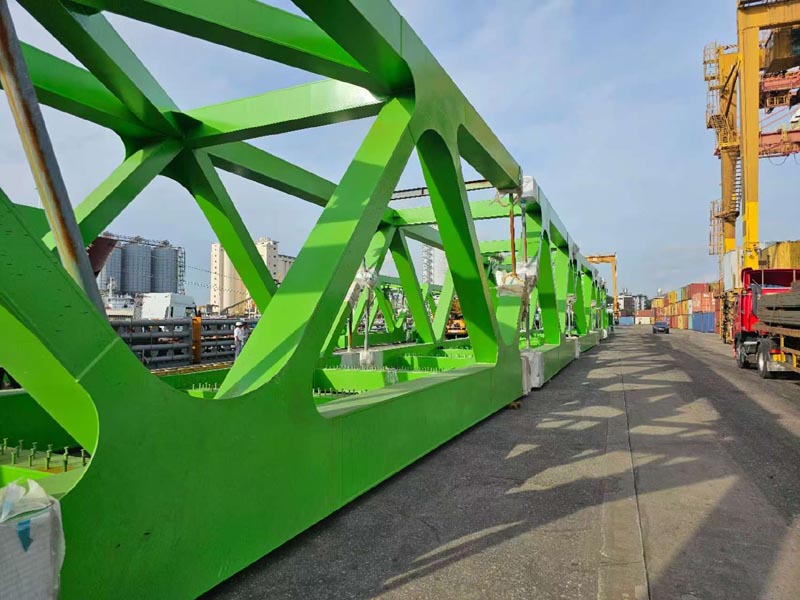
6. Bridge & Heavy Steel Structure
- Heavy steel beams, box girders, and rigid structures.
- Used in bridges, trestles, industrial plants with cranes, and high-load buildings.
7. Modular Steel Structure
- Fully prefabricated in the factory, integrated box-type modules.
- Ultra-short construction period, removable and reusable.
ESSENTIAL CONSIDERATIONS OF STEEL STRUCTURE
1. Fire Protection
- Comply with fire codes and required fire-resistance ratings.
- Apply fireproof coating or encasement to protect steel at high temperatures.
2. Anti-Corrosion Treatment
- Use galvanizing or professional paint systems based on environment.
- Prevent rust and extend service life, especially in coastal/humid areas.
3. Structural Design & Quality
- Follow international standards (AISC, Eurocode) and local building rules.
- Strictly control welding, bolting, installation and overall construction quality.
4. Construction Safety
- Ensure stable foundation, accurate alignment and proper on-site assembly.
- Regular inspection and maintenance during use.
WHERE TO USE STEEL STRUCTURE
Industrial Buildings
Workshops, factories, production plants, and crane-equipped heavy industrial facilities.
Warehouses & Logistics
Large-span warehouses, logistics centers, distribution parks, and cold storage buildings.
High-Rise & Multi-Story Buildings
Office towers, apartments, hotels, shopping malls, and mixed-use buildings.
Public & Large-Span Buildings
Stadiums, gymnasiums, exhibition halls, airports, railway stations, and aircraft hangars.
Infrastructure Projects
Bridges, overpasses, transmission towers, pipe racks, trestles, and offshore structures.
Residential Buildings
Light steel villas, prefabricated houses, modular homes, and holiday resorts.
Agricultural & Commercial
Farm sheds, livestock houses, markets, supermarkets, and temporary facilities.
Special Structures
Workshop canopies, gas stations, parking structures, and industrial support frames.
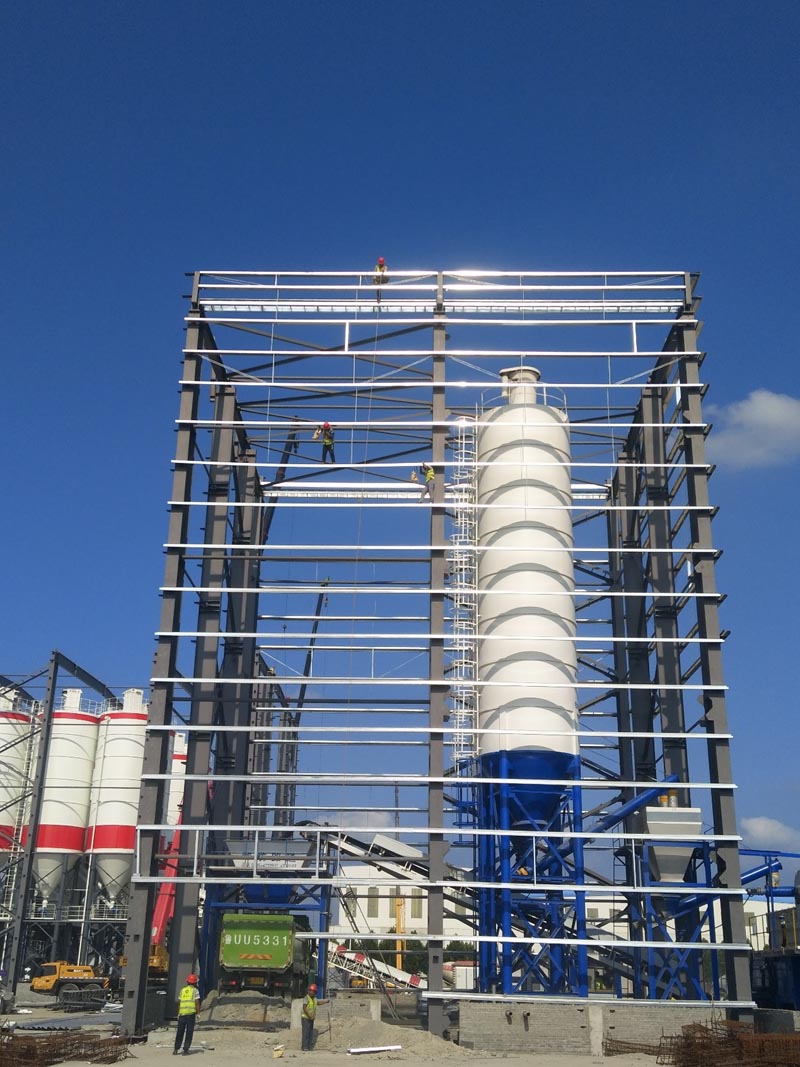
RIGID STEEL STRUCTURE FOR SALE- HIGH QUALITY, CUSTOMIZABLE & COST -EFFECTIVE
We supply premium rigid steel structures for global clients, ideal for warehouses, workshops, factories, aircraft hangars, and commercial facilities. Our rigid steel frames are engineered with Q235/Q355 high-strength steel and rigid moment-resisting connections, ensuring exceptional stability, load-bearing capacity, and durability. All components are factory-prefabricated with CNC precision, treated with hot-dip galvanizing and high-grade paint for anti-corrosion protection, guaranteeing a 50+ year service life even in harsh coastal or industrial environments.
Key advantages include fast construction (30–50% quicker than concrete), cost efficiency, and full customization – we tailor size, doors, windows, insulation, and crane readiness to your needs. Our structures comply with AISC, Eurocode, and ISO 9001 standards, withstanding extreme wind, snow, and seismic loads. Contact us today with your dimensions and requirements for a free, detailed quote.
MAIN FACTORS THAT AFFECT STEEL STRUCTURE PRICE
Raw Material Volatility
The cost of iron ore, scrap metal, and energy (for the furnace) fluctuates daily. In 2026, the shift toward "Green Steel" (low-carbon) has also introduced a premium for sustainable projects.
Low shipping cost
Design & Tonnage: Cost is usually calculated by weight. Large open spans or heavy load requirements (seismic or snow) require more steel, while complex geometries increase fabrication labor.
Design & Tonnage:
Cost is usually calculated by weight. Large open spans or heavy load requirements (seismic or snow) require more steel, while complex geometries increase fabrication labor.
Finishing & Protection
Standard primer is cheap, but hot-dip galvanizing or fireproof coatings can add 20% to 50% to the total price.
Logistics & Policy
Steel is heavy and expensive to move. Freight costs, import tariffs, and local trade laws can create massive price gaps between domestic and imported materials.
Bottom Line
To save money, use standardized beam sizes and minimize custom on-site welding.
Contact Us
We’re always ready to listen to your needs and provide professional solutions for your business.
- MODULAR CAMPS CO.,LTD.
- 15 Changjiang Rd, Pingdu, Qingdao,China.
- +86-15963001578
- +86-15963001578
- info@modularcamps.com
- https://modularcamps.com