
Self Storage Facility

WHAT A SELF STORAGE FACILITY?
A self-storage facility is a commercial property that offers secure, private spaces—such as units, rooms, or lockers—for individuals and businesses to rent for storing their personal or professional belongings.
It is referred to as “self-service” because the renter is solely responsible for moving their items into the space, securing it with a lock, and managing the contents within. Unlike traditional warehouses or moving company depositories, facility staff typically do not have access to the rented units, ensuring the privacy and security of the stored items.
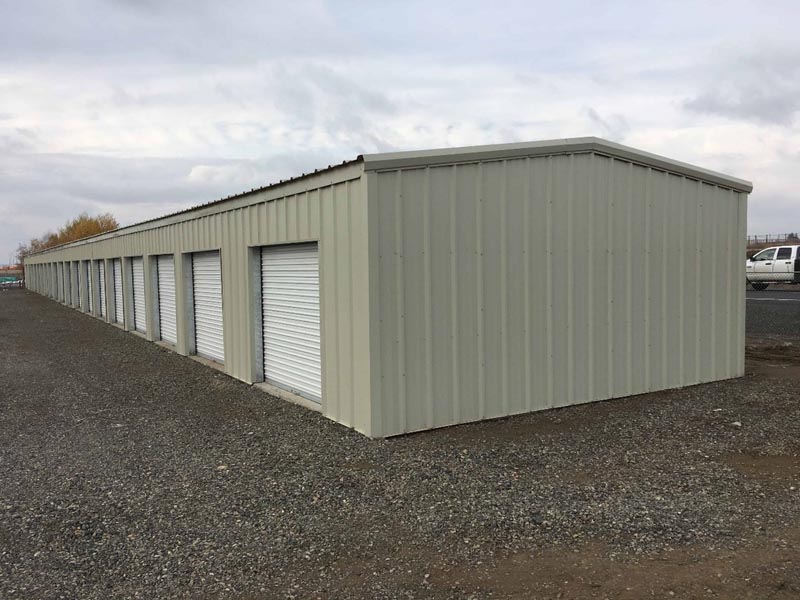
SELF STORAGE UNIT FEATURE
Metal shed storage buildings are versatile for multi-scene storage, suitable for both personal and commercial use:
Type | Best For | Features |
Drive-Up | Bulky furniture, tools, cars | Garage-style doors on the ground floor; you can park your car right in front of the door. |
Indoor | Boxes, clothes, documents | Located inside a multi-story building; offers better protection from dust and pests. |
Climate-Controlled | Electronics, antiques, wine | Maintained at a specific temperature and humidity to prevent warping or mold. |
Lockers | Small valuables, luggage | Smaller, stackable units (often 1x1m) for those who only have a few boxes. |
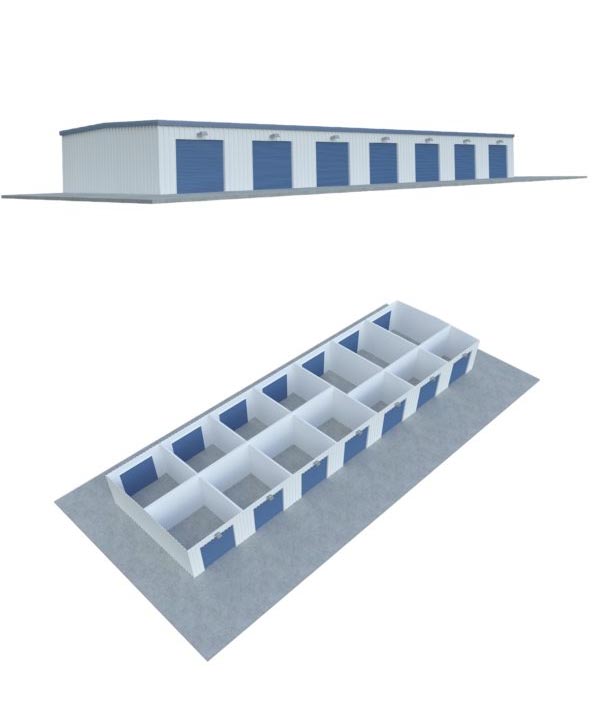
BENEFITS OF USING A SELF-STORAGE FACILITY
More space at home/office, less clutter
Secure, protected storage for valuables
Flexible shortterm or longterm rental
Safe keeping during moving, renovation, travel
Cost-effective alternative to larger premises
Easy access to stored items
Ideal for inventory, documents, equipment
Peace of mind with reliable security
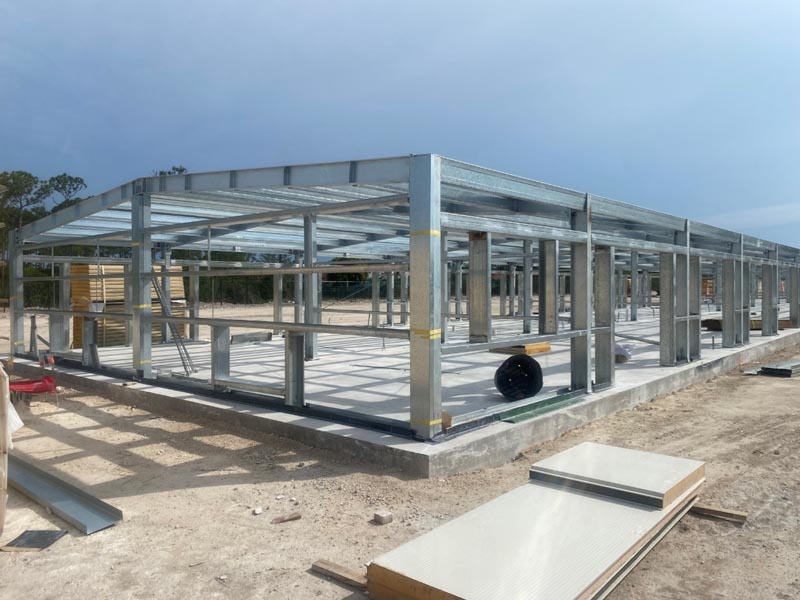
SELF STORAGE FACILITY COMPONENTS
- Structural Framing Systems
Modern facilities predominantly use Cold-Formed Steel (CFS) framing because it is lightweight, non-combustible, and allows for rapid assembly.
- Primary Frame (Post & Purlin):Steel columns (typically 0 mm to 3.0 mm) placed every 3.0 m along the building length.
- Load-Bearing Partitions:In multi-story or wide buildings, the interior unit walls actually help support the roof or the floor above.
- Mezzanine Floors:Steel decking (usually 2 mm to 1.5 mm thick) topped with a 100 mm reinforced concrete pour to handle “live loads” of 6.0kN/m2.
- Unit Separation & Partitions
These are the walls that divide the building into individual rentable units.
- Partition Panels:Usually 40 mm to 0.50 mm (26-gauge) galvanized steel with a “gloss white” finish to reflect light and make hallways appear brighter.
- Flush Hallway Systems:The walls facing the corridor are designed with no exposed fasteners and minimal gaps to prevent tampering.
- Kick Plates:Heavy-duty steel strips at the bottom of hallway walls to protect against damage from moving carts and trolleys.
- Vermin Mesh:Wire mesh or “Z-clippings” installed at the top of units (where they meet the roof) to allow airflow while preventing people or pests from climbing between units.
- The Door Systems
The door is the most used mechanical component of the facility.
- Roll-Up Doors:The industry standard. These are “mini-storage” versions of garage doors, usually made from 40 mm corrugated steel with high-tension springs for easy one-handed operation.
- Swing Doors:Used for very small units (lockers) or in specialized indoor hallways where space for a roll-up canister is unavailable.
- Header and Jambs:Reinforced steel frames around the door opening that provide the structural support for the door tracks.
- Corridor & Internal Infrastructure
- Lighting:Motion-activated LED strips are standard in 2026 to reduce electricity costs by up to 40%.
- Corner Guards:Diamond-plate steel or heavy rubber guards on every corner to prevent damage from furniture and heavy lifting equipment.
- Flooring:Finished concrete with a sealed/non-porous coating to prevent dust buildup and simplify cleaning between tenants.
TYPES OF SELF-STORAGE FACILITY
Indoor Self‑Storage
Located inside a building, usually on multiple floors. More secure, protected from weather, and often with controlled access.
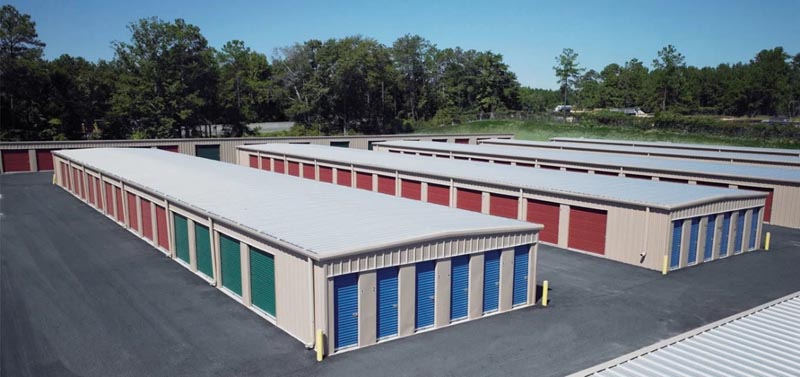
Drive‑Up Outdoor Storage
Ground‑floor units you can drive directly up to. Convenient for loading/unloading furniture, boxes, and heavy items quickly.
Climate‑Controlled Storage
Maintains stable temperature and humidity. Protects sensitive items like wood furniture, electronics, documents, antiques, and clothing.
RV, Boat &Vehicle Storage
Dedicated spaces for cars, motorcycles, boats, RVs, trailers, and other vehicles. Available as covered, indoor, or outdoor lots.
Warehouse & Bulk Storage
Large open or partitioned areas for businesses needing big space for machinery, stock, or equipment.
Portable Storage Containers
Delivered to your home or site. You pack, then the company stores or transports the container. Flexible for moving or renovation.
Business & Document Storage
Spaces designed for inventory, archives, files, equipment, and retail stock. Often includes secure access and longer‑term plans.
SELF-STORAGE FACILITY APPLICATIONS
Personal storage: furniture, luggage, household goods
Commercial storage: inventory, documents, retail supplies
Industrial storage: tools, equipment, raw materials
Vehicle storage: cars, motorcycles, boats, trailers
Student & temporary storage
Moving & renovation storage
Document & archive storage
Event & exhibition equipment storage
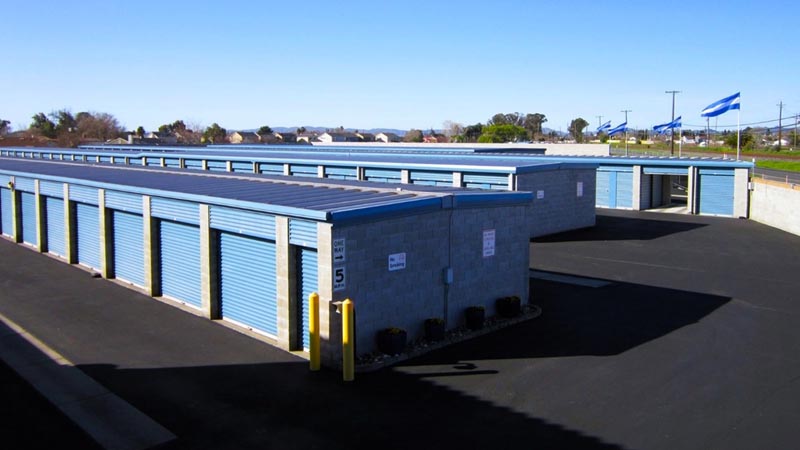
SELF-STORAGE FACILITIES FOR SALE
Modular Camps brings years of experience in metal building solutions, ensuring each self storage facility is engineered for durability, functionality, and profitability. Whether you’re a first-time investor or looking to expand your storage business, our facilities are designed to stand the test of time and meet the growing demand for self storage services.
Inquire now for detailed pricing, customizable floor plans, and investment returns—let Modular Camps help you seize the self storage market opportunity!
HOW TO CHOOSE THE RIGHT STORAGE SIZE?
1. List all items you plan to store.
2. Estimate total volume or measure large furniture.
3. Start with a smaller unit if you stack efficiently.
4. Choose a larger unit if you need frequent access.
5. Use size guides:
- 5’×5’ for boxes & small items
- 5’×10’ for room contents
- 10’×10’ for 1 bedroom home
- 10’×15’ for 2 3 bedroom home
- 10’×20’ for large furniture & inventory
6. Leave space for aisles if you need regular access.
7. Consult ME freely for recommendations.
SELF STORAGE FACILITY SUPPLIER
MODULAR CAMPS is a professional self storage facility supplier specializing in the design, manufacturing, and installation of high quality self storage units, steel structures, partition systems, doors, and related accessories.
We provide one stop solutions for self storage projects, including facility planning, customized design, production, on site installation, and after sales support.
Committed to durability, safety, and cost efficiency, we serve clients worldwide with reliable self storage facilities and professional services.
With Modular Camps, you get a trusted and experienced partner that help you to build steel structure self-storage unit on time and on budget. Speak to one consultant of MODULAR CAMPS today for more information. Let their wealth of knowledge and experience guide you in selecting the perfect package for your metal commercial building.
Contact Us
We’re always ready to listen to your needs and provide professional solutions for your business.
- MODULAR CAMPS CO.,LTD.
- 15 Changjiang Rd, Pingdu, Qingdao,China.
- +86-15963001578
- +86-15963001578
- info@modularcamps.com
- https://modularcamps.com