The Philippines’ tropical climate—characterized by heavy rainfall, high humidity, occasional typhoons, and seismic activity—poses significant challenges to traditional construction. Additionally, the country’s infrastructure development and urban expansion drive high demand for fast-delivered, cost-effective accommodation solutions for workers involved in mining, construction, and port projects. Our modular camps are specifically designed to tackle these challenges, adhering to the National Structural Code of the Philippines (NSCP 2015) and local construction standards to ensure safety, durability, and compliance.
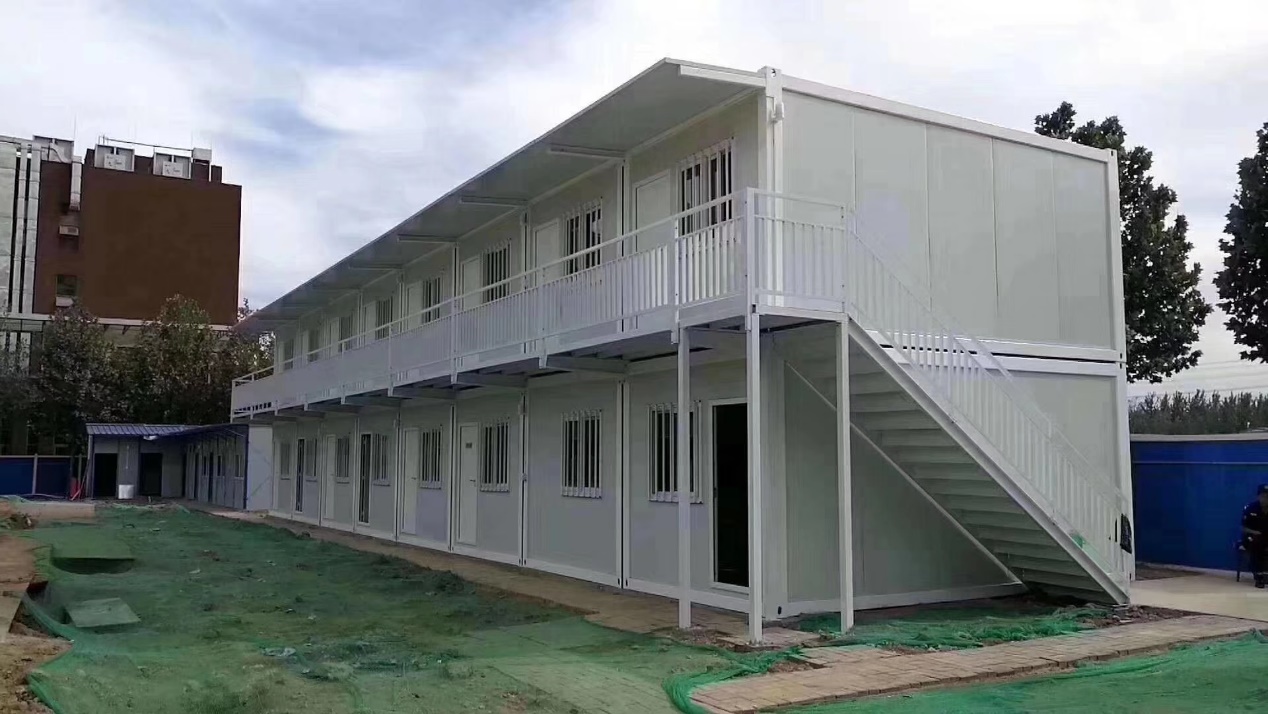
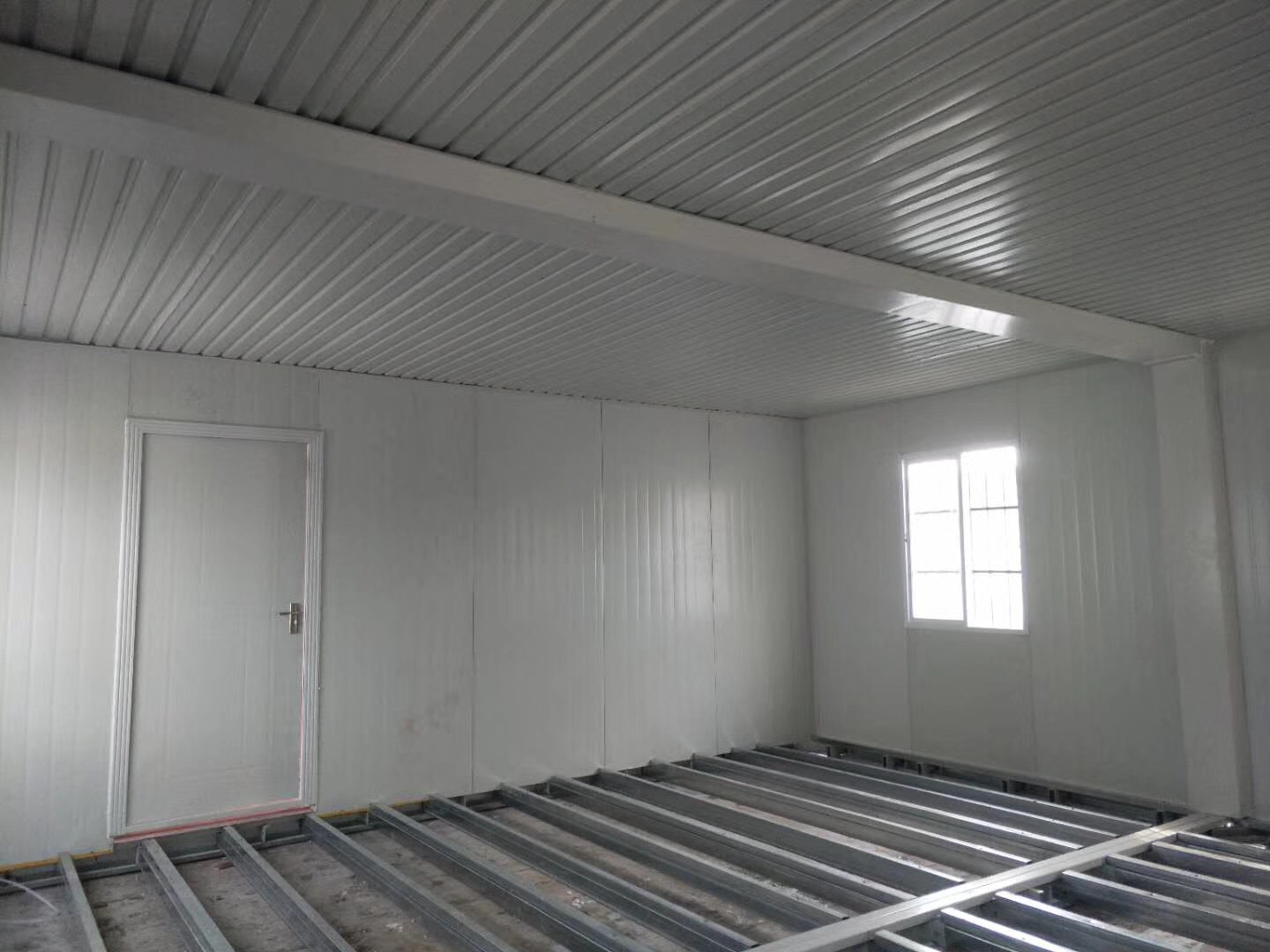
A standout project is our 2021 modular container camp in Cebu, Philippines, built to house foreign workers for a local construction project. Comprising 22 container units, this two-storey camp covered a total area of 792 ㎡, with 9 living quarters per floor, plus 1 shared toilet and 1 shared shower block per floor. To address the Philippines’ rainy climate, we added a secondary roof structure to enhance waterproofing and protect the units from heavy downpours— a critical customization that ensured the camp’s longevity and worker comfort. All units featured galvanized steel frames for corrosion resistance, A1-class fire-retardant rockwool insulation, and anti-mosquito screens with safety bars on windows, meeting local safety and hygiene standards.
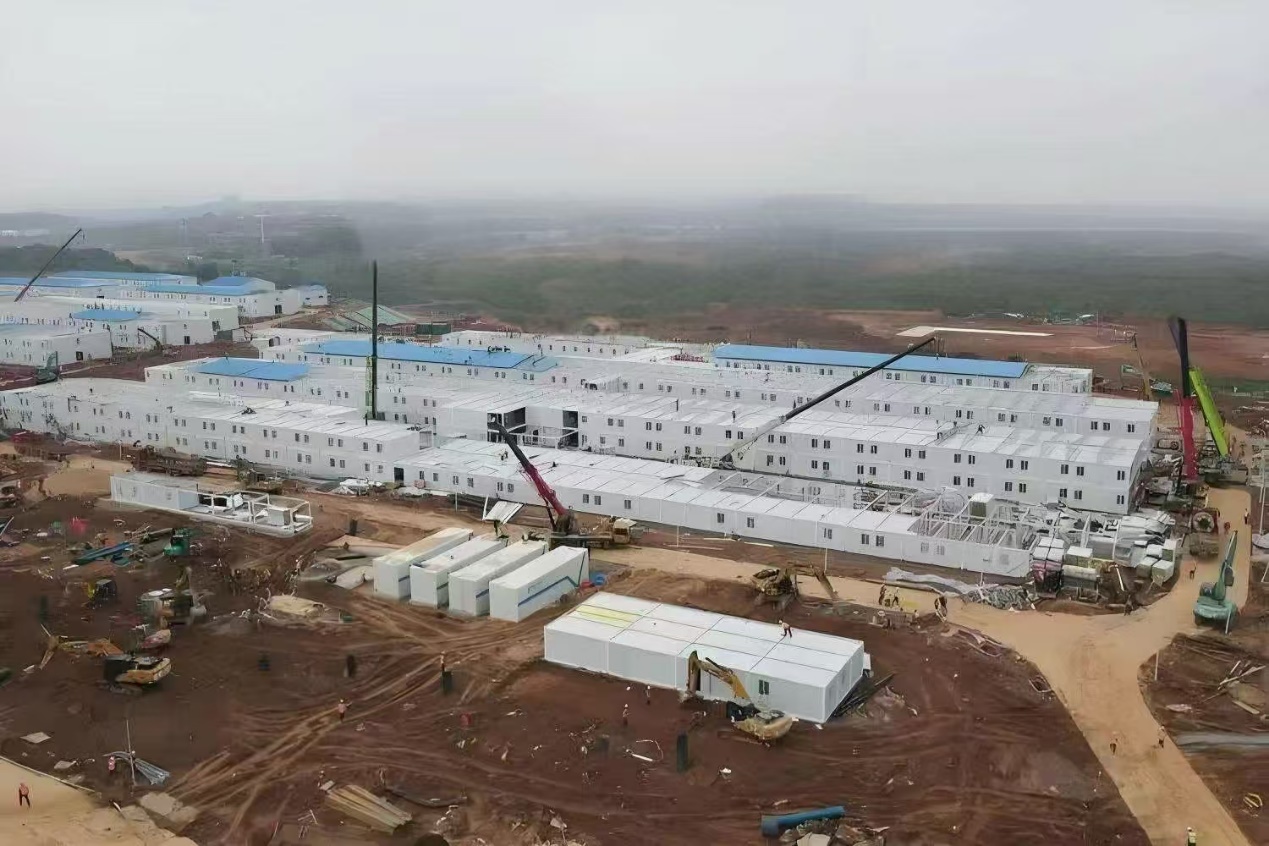
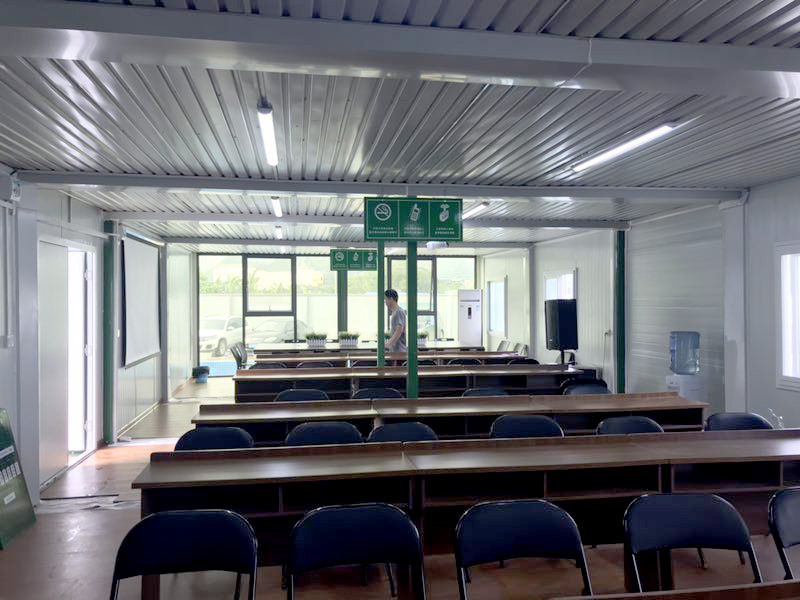
Another key project was our 7,000 ㎡ construction site worker camp completed in 2016, which included site offices, worker dormitories, executive lodgings, toilets, showers, kitchens, canteens, recreation areas, and a clinic. This fully self-contained camp was designed to accommodate 200+ workers, with dormitories configured to meet local living space requirements and dining facilities tailored to Filipino dietary preferences. We used K-type and T-type modular units for flexibility, ensuring the camp could be expanded or reconfigured as the project scaled.
All our Philippine modular camps leverage 85% factory prefabrication, allowing for rapid delivery and installation—our Cebu project, for example, was manufactured and delivered in just one month, with 3 technical workers completing installation of a single unit (36 ㎡) in 2 days. This prefabrication process not only reduces on-site labor dependency but also ensures consistent quality control, addressing the productivity challenges of traditional construction in the Philippines. The modular units are designed for easy assembly and disassembly, making them relocatable for multiple project sites— a cost-effective feature for companies that need to move operations periodically.
We also prioritize compliance with local regulations and cultural needs. Our camps adhere to the Philippine government’s National Precast and Industrialized Construction Promotion Act, which promotes modular technologies for sustainable, fast, and resilient construction. For worker well-being, we integrate basic medical facilities, recreation areas, and comfortable living spaces, while ensuring all electrical and plumbing systems meet local safety standards (NSCP 2015) to withstand seismic activity and typhoon winds. Additionally, our solutions are scalable, ranging from small 50-person camps to large-scale accommodations, supporting projects of all sizes across the Philippines.
These projects demonstrate our deep understanding of the Philippines’ market needs, from climate adaptation to regulatory compliance and cultural sensitivity. By delivering fast, durable, and cost-effective modular camps, we support the country’s infrastructure development goals while providing safe, comfortable accommodation for workers. As the Philippines continues to invest in modular construction to address housing shortages and infrastructure demands, our tailored solutions remain a reliable partner for local and international clients seeking efficient workforce accommodation.